


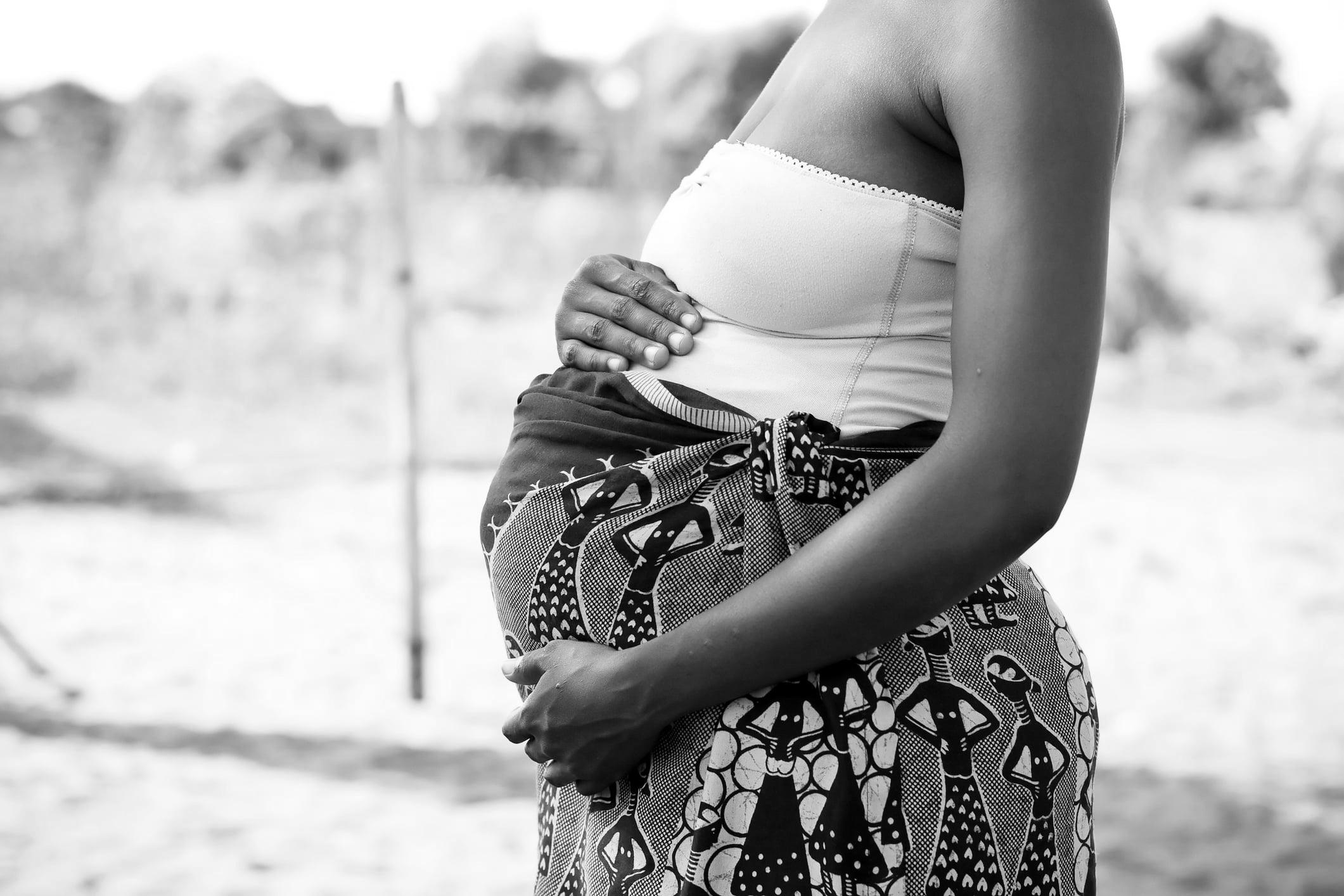
Authored by Dr Jasmin Abdel Ghany, Nuffield Postdoctoral Prize Research Fellow at Nuffield College and Associate Member of the Leverhulme Centre for Demographic Science and the Department of Sociology, along with Dr Joshua Wilde, Senior Scientist and Researcher, Leverhulme Centre for Demographic Science, and Professor Ridhi Kashyap, Professor of Demography & Computational Social Science, Department of Sociology and Leverhulme Centre for Demographic Science, the study analyses more than five million births across 33 sub-Saharan African countries and India. By linking large-scale survey data with high-resolution temperature records, the authors examine how exposure to heat during pregnancy affects the sex ratio at birth.
Extreme heat is not only a major public health threat. We show that temperature fundamentally shapes human reproduction by influencing who is born and who is not born. Our findings indicate that temperature has measurable consequences for foetal survival and family planning behaviour, with implications for population composition and gender balance. Understanding these processes is essential for anticipating how the environment affects societies in a warming climate.
Dr Abdel Ghany, Nuffield Postdoctoral Prize Research Fellow in Sociology
Sex ratios at birth – the number of boys born relative to girls – are a key demographic indicator. They reflect underlying patterns of maternal health, prenatal survival, and, in some contexts, gender discrimination. In recent decades, skewed sex ratios have raised concerns in several regions, particularly where son preference and sex-selective abortion are prevalent. This research links these concerns to worries about increasing exposure to extreme heat worldwide, raising new questions about how environmental stress affects pregnancy outcomes and population composition.
The results show that temperatures above 20°C are consistently associated with fewer male births in both regions – but through different mechanisms.
In sub-Saharan Africa, exposure to high temperatures during the first trimester of pregnancy is linked to a decline in male births. This pattern is consistent with increased prenatal mortality driven by maternal heat stress, and is particularly pronounced among women living in rural areas, those with lower levels of education, and those with higher birth orders.
However, in India, where sex ratios have historically been distorted by son preference and sex-selective abortion, the effects appear later in pregnancy. Higher temperatures during the second trimester are associated with fewer male births, especially among older mothers, high-parity births, and women without sons in northern states.
This pattern suggests that heat exposure may reduce access to, or use of, sex-selective abortion, temporarily narrowing gender imbalances.
Dr Abdel Ghany, lead author of the study, said: ‘Extreme heat is not only a major public health threat. We show that temperature fundamentally shapes human reproduction by influencing who is born and who is not born. Our findings indicate that temperature has measurable consequences for foetal survival and family planning behaviour, with implications for population composition and gender balance. Understanding these processes is essential for anticipating how the environment affects societies in a warming climate.’
The study highlights that the effects of heat are not evenly distributed. Women with fewer resources and those living in more vulnerable settings are more strongly affected, raising concerns about widening health inequalities under climate change.
By combining large-scale demographic data with detailed climate records, this research demonstrates how environmental change can shape fundamental population processes. It contributes to growing evidence that extreme heat is not only an environmental and economic challenge, but also a major public health and demographic issue. As global temperatures continue to rise, the authors argue that protecting maternal health and improving access to healthcare will be central to reducing the long-term impacts of heat on reproduction and population dynamics.
Read ‘Temperature and sex ratios at birth‘ in full in Proceedings of the National Academy of Sciences of the United States of America (PNAS).
For more information about this story or republishing this content, please contact [email protected]
“The University of Oxford is a collegiate research university in Oxford, England. There is evidence of teaching as early as 1096, making it the oldest university in the English-speaking world and the world’s second-oldest university in continuous operation.”
Please visit the firm link to site