
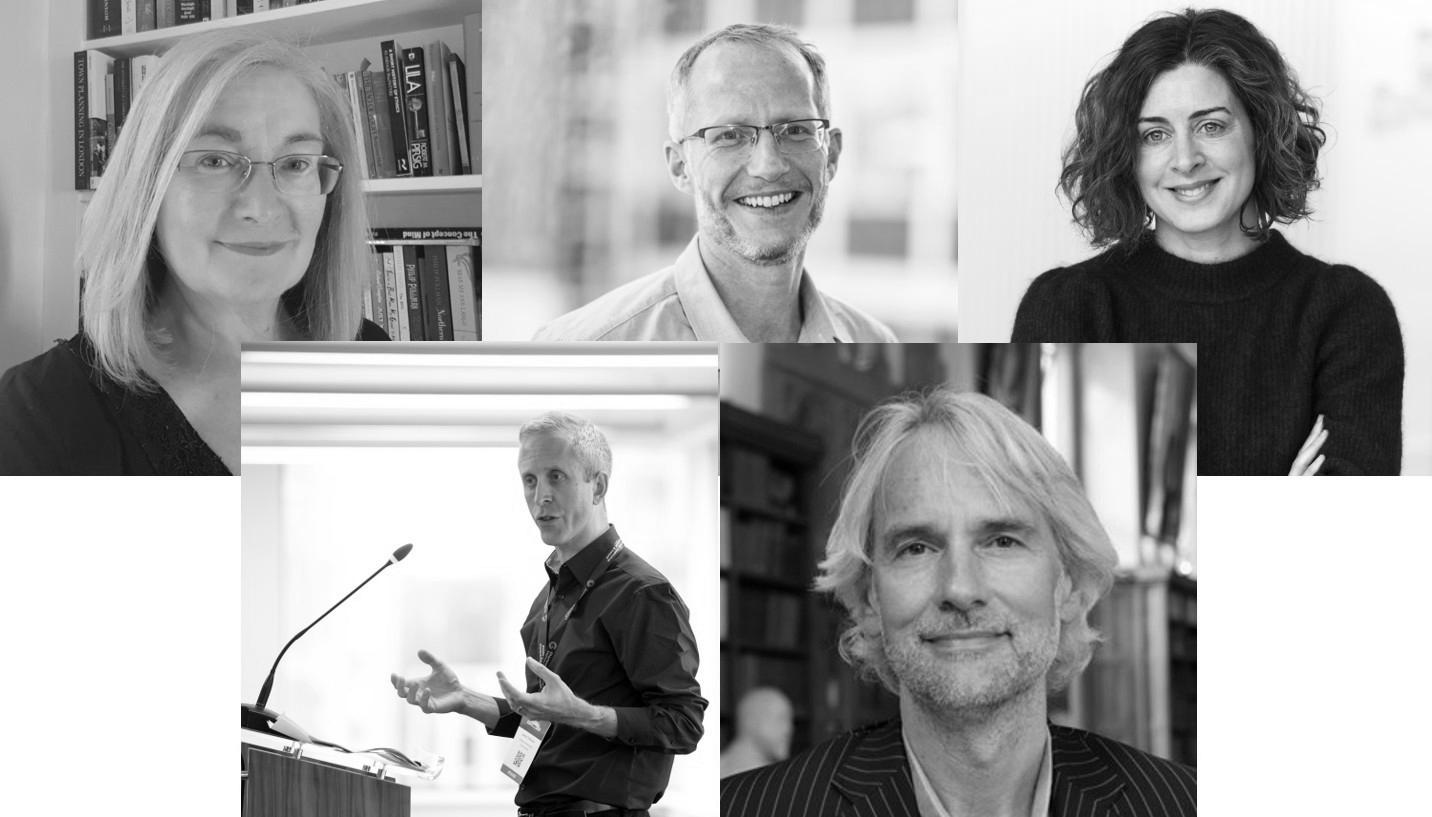
The Academy of Social Sciences has elected five experts from The University of Manchester as Fellows in recognition of their significant contributions to social science, highlighting the relevance of the social sciences in understanding and addressing the many varied societal challenges facing the UK and the world today.
Professor Lucy Frith is a leading bioethicist whose work spans socio-legal studies and health research. She is internationally recognised for her work in empirical bioethics and her research on the social and ethical implications of reproductive donation, and the governance of emerging reproductive technologies.
Lucy is Co-Director of the University’s Centre for Social Ethics & Policy, and she serves on the Executive Committee of the European Society of Human Reproduction and Embryology (ESHRE). She has held visiting professorships at the Centre for Medical Ethics and Law at The University of Hong Kong and at Charles University, Prague, and is Co-Editor-in-Chief of the Journal of Medical Ethics.
“I am delighted to be elected a Fellow of the Academy of Social Sciences, and I am grateful to the Society of Socio-Legal Studies for the nomination,” said Lucy. “I am looking forward to working with colleagues across disciplines and further integrating bioethical analysis into the social sciences, as such interdisciplinary research is increasingly vital to addressing complex global challenges.”
Professor of Politics James Pattison is an international political theorist specialising in ethical issues relating to peace and conflict. His research examines moral responsibility in war, including humanitarian intervention, private military force and economic sanctions, with his current work focusing on ethical responses to rising global authoritarianism and the challenges posed by a shifting international order.
James is the author of several influential books that have shaped both academic scholarship and policy debates on global peace and security. His work is widely recognised across political theory and international relations, contributing significantly to contemporary debates on war and intervention.
“I’m delighted and honoured to receive this award,” said James. “It means a lot to me to become a Fellow of the Academy of the Social Sciences and I look forward to working to promote the social sciences further in my work, highlighting the vital role of social science in shaping the ideas and ethical frameworks that guide global responses to war, authoritarianism, and mass atrocities.”
Professor of Innovation Studies Elvira Uyarra is a leading expert on innovation policy, regional development, and public procurement. Her research examines how public policy can foster innovation, support economic transformation, and enable sustainability transitions.
Elvira has played a key role in major interdisciplinary research programmes and contributed extensively to academic and policy debates on innovation and regional growth. Her work has helped inform government strategies on innovation-led development and strengthening regional innovation systems.
“I’m honoured to be elected a Fellow of the Academy of Social Sciences,” said Elvira. “This recognition reflects not just my own work, but the value of collaborative research on innovation, place, and public policy. I look forward to continuing to contribute to the social sciences community.”
Professor of Politics and Development Sam Hickey is a leading scholar of the political economy of development. His research examines how political institutions, governance and elite incentives shape poverty reduction, social protection and inclusive growth, particularly in Africa.
Sam has played a major leadership role in international research programmes, including the Effective States and Inclusive Development Research Centre, and has advised organisations such as the World Bank and UNICEF. He has also contributed to influential books and policy debates on governance and development, helping shape contemporary approaches to inclusive development.
Professor of International Relations Oliver Richmond is a leading figure in peace and conflict studies. His research focuses on peacebuilding, international intervention, and post-conflict political order, and he is known for developing critical approaches that emphasise local agency and “hybrid peace.”
Oliver has authored numerous influential books which have helped reshape scholarly and policy understandings of peacebuilding. His work has had a major global impact on debates about how sustainable peace is formed and maintained.
“The University of Manchester is a public research university in Manchester, England. The main campus is south of Manchester City Centre on Oxford Road.”
Please visit the firm link to site