


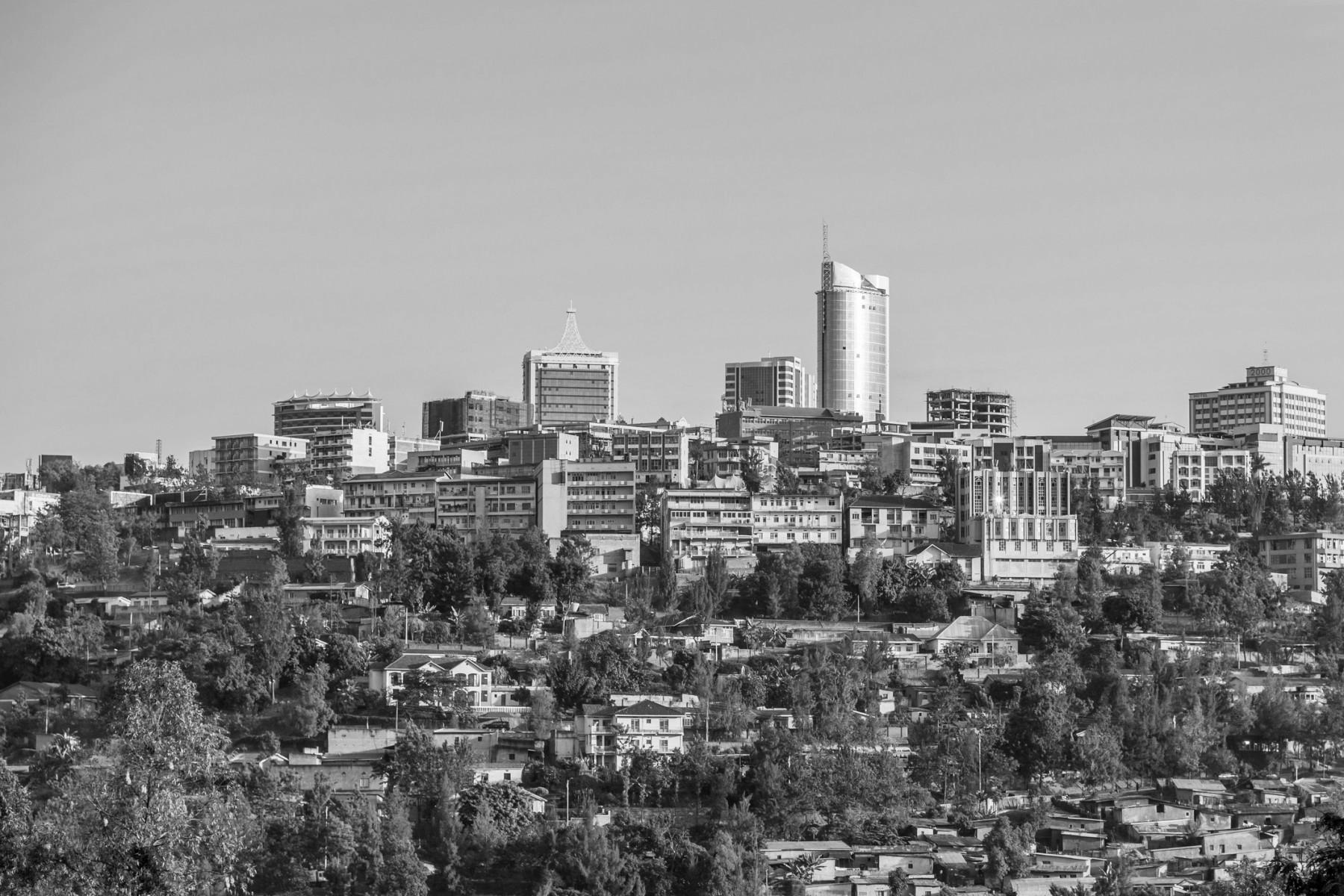
A new book by The University of Manchester’s Dr Pritish Behuria explores how Rwanda rebuilt its economy after the 1994 genocide to become one of Africa’s most frequently cited development success stories, while questioning whether its current growth model can deliver long-term prosperity.
Key findings
Rwanda has achieved rapid economic growth and built a reputation for effective state-led development, but the book argues that long-term prosperity may depend on deeper industrial transformation rather than continued reliance on service-led growth.
Why has Rwanda been described as Africa’s ‘model nation’?
Over the past two decades, Rwanda has often been portrayed as one of Africa’s standout economic success stories. The country has recorded strong GDP growth, expanded healthcare and education, increased tourism revenues and built an international reputation for effective state leadership.
Kigali has also positioned itself as a hub for finance, conferences and high-end tourism, helping Rwanda gain praise from international donors and policymakers.
What does the new book examine?
In The Political Economy of Rwanda’s Rise, Dr Pritish Behuria offers one of the most in-depth accounts yet of how Rwanda has pursued rapid development in the face of major historical and structural challenges.
Drawing on nearly two decades of research, including extensive fieldwork and interviews with policymakers, business leaders and development partners, the book explores whether Rwanda has achieved genuine economic transformation or whether its growth masks deeper vulnerabilities.
Why might Rwanda’s future remain uncertain?
Dr Behuria argues that growth alone does not necessarily lead to long-term development.
Instead, sustainable prosperity typically depends on what economists call structural transformation: the shift from dependence on agriculture and raw materials towards higher-value manufacturing and productive domestic industries.
While this process underpinned the rise of many economies in Europe and East Asia, manufacturing remains limited across much of Africa, including Rwanda.
Has Rwanda relied too heavily on services?
Rather than prioritising manufacturing, Rwanda has focused heavily on services such as tourism, finance and international events.
The book examines whether this strategy can create enough jobs, technological learning and domestic business development to sustain long-term economic progress.
Rather than offering a simple verdict, the book presents a balanced assessment that recognises Rwanda’s achievements while exploring the risks and limits of its current model.
What does Rwanda’s experience say about development more broadly?
The book contributes to wider debates about whether African countries can build new pathways to development in today’s global economy.
“The University of Manchester is a public research university in Manchester, England. The main campus is south of Manchester City Centre on Oxford Road.”
Please visit the firm link to site