

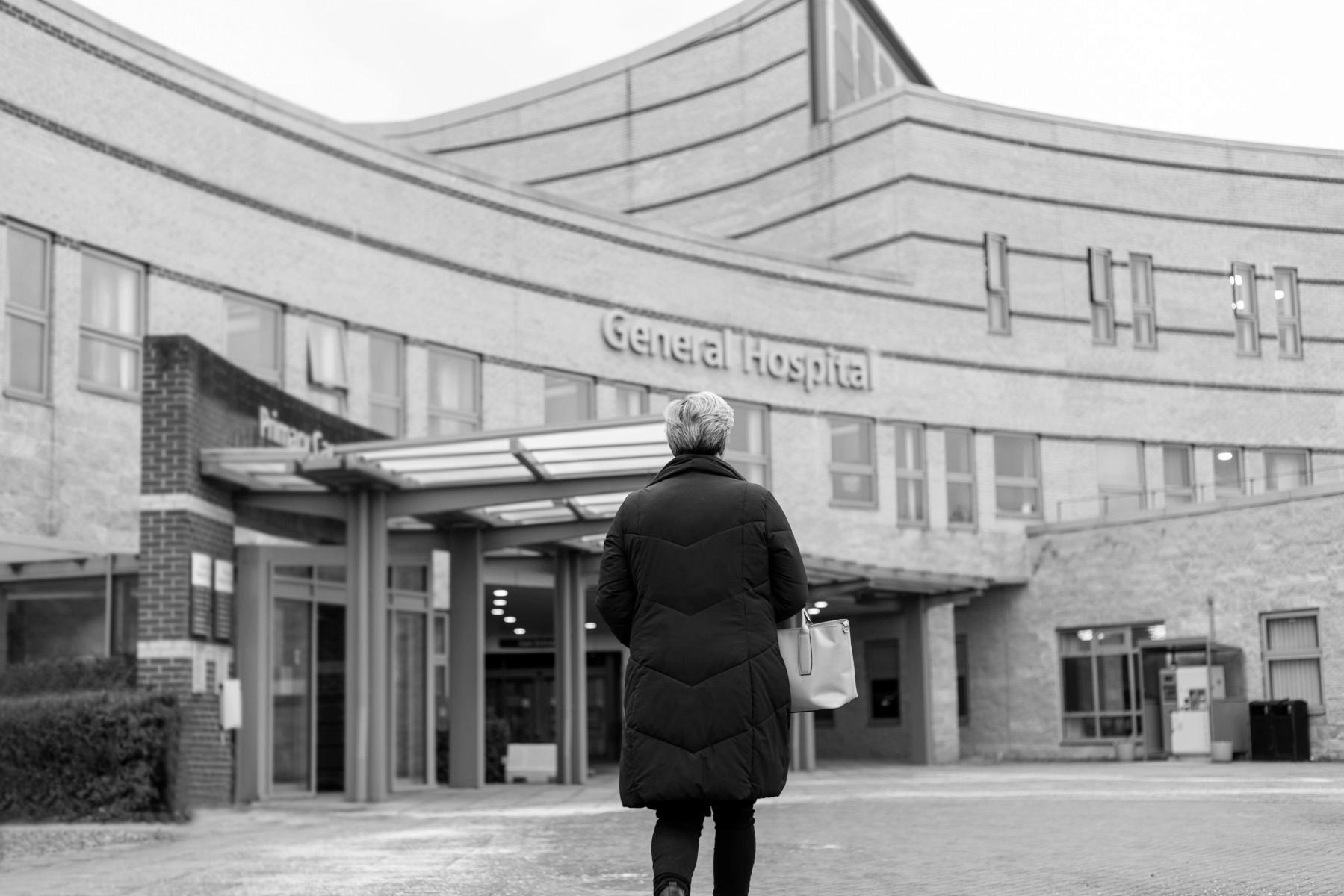
Despite national efforts to improve acute kidney injury (AKI) care, thousands of patients in England are missing vital follow-up care after leaving hospital, according to new research by The University of Manchester.
The kidneys have a vital role in continuously clearing toxins from the body. AKI is a common clinical syndrome in which the kidneys stop working properly. It affects up to 1 in 5 people in hospital, usually as a complication of a severe illness or major surgery. 1 in 3 people with AKI experience it recurrently. Researchers highlight multiple missed opportunities in optimising continuing care after hospital discharge.
Funded by the National Institute for Health and Care Research (NIHR) and supported by the NIHR Patient Safety Research Collaboration (PSRC): Greater Manchester this is the first major investigation of post-discharge care for people with AKI to cover widespread care in general practices (GPs) across England. The study was published in BMC Medicine today (12 August).
Researchers analysed the healthcare of more than 209,000 patients in England who had been discharged from hospital after an episode of acute kidney injury (AKI), using records from over 1,400 general practices (GPs). They found that the recommended clinical guidelines for continued follow-up care were often not followed, suggesting that AKI is not receiving sufficient attention at handover from hospitals to primary care.
Why follow-up care after AKI matters
Even after hospital discharge, people who have had AKI remain at a high risk of poor outcomes, including emergency hospital readmission, recurrent AKI and other acute severe illnesses, the development of lasting chronic kidney disease, and major adverse cardiovascular events.
Current recommendations are that when a patient who has experienced AKI is discharged from hospital back into the community, primary care should have a central role in supporting recovery, ensuring safe follow-up, and minimising the risk of worsening health. However, the study identified multiple gaps in post-AKI care as patients transition across care settings.
In the study, only 19% of hospital AKI episodes were documented in primary care records within 30 days of discharge using the recommended codes for AKI. The proportion was even smaller among people aged under 60 years and those who had major surgery.
The study evaluated not just documentation, but also clinical action. Despite regular contact with primary care healthcare professionals, many people did not receive simple recommended blood and urine tests to assess kidney health. Younger individuals and those without already known and documented health concerns were least likely to receive tests. Yet, these are often people who stand most to gain, because early action can help prevent avoidable health problems being stored up into the future.
The study concluded that improvements in the sharing of discharge information and follow-up after AKI could help identify people at risk sooner and improve outcomes for those transitioning from hospital to community care.
Prof Tom Blakeman, GP and Professor of Primary Care at The University of Manchester and NIHR Greater Manchester PSRC, said: “Despite a decade of improvement initiatives in the UK, little was known about how closely primary care follows clinical guidelines after an episode of acute kidney injury.
“The University of Manchester is a public research university in Manchester, England. The main campus is south of Manchester City Centre on Oxford Road.”
Please visit the firm link to site