

How investment can extend state power
The researchers analysed 24 cases across 14 countries, combining fieldwork conducted between 2018 and 2024 in Uganda, South Africa, Tanzania, Zambia and Kenya with a review of existing research and policy documents.
They identify two connected strategies. The first, which they call “widening”, involves extending government authority into areas where control has traditionally been limited or shared with local communities. Governments can do this by attracting large-scale land investment, building transport and infrastructure corridors, or designating land for conservation.
The second strategy, “deepening”, involves strengthening that authority over time through laws, administrative systems, land registration and technical tools such as digital mapping.
In some cases, governments have described land as empty, ungoverned or underused to make it appear available for development. The researchers argue that such descriptions can overlook existing farming, pastoralism, customary land rights and local systems of governance.
From agricultural investment to conservation
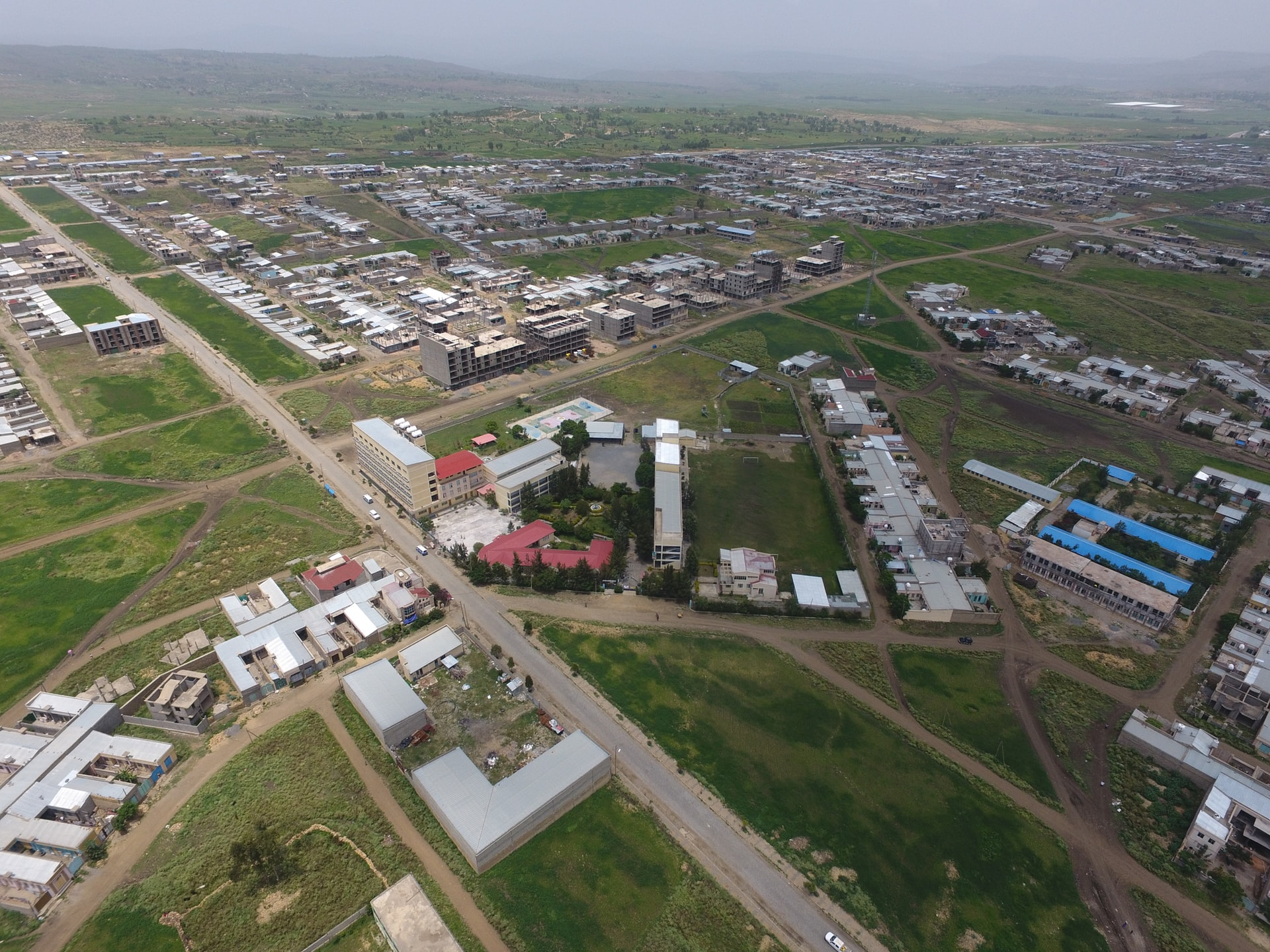
The study highlights examples across the continent. In Ethiopia, government efforts to attract large-scale agricultural investment included identifying land for a federal land bank and promoting it as available for productive use. In northern Uganda, claims that land was uninhabited or ungoverned helped justify reclassifying customary land and allocating it for investment projects.
Infrastructure schemes can have similar effects. In Kenya, the Lamu Port–South Sudan–Ethiopia Transport corridor has been used to extend state authority into regions where land has long been governed through communal tenure systems. In Tanzania, agricultural development planning has involved reclassifying village land to make it available for investment.
Conservation can also be a means of expanding state control. Designating land as a park, reserve or protected area can bring it under central government authority, while restricting how local people use it. The paper discusses cases where these processes have contributed to displacement, evictions and conflict.
A different way to understand land and power
The researchers argue that foreign investment does not necessarily mean governments are losing control to outside interests. Instead, states can use relationships with investors, donors and other organisations to pursue their own territorial and political goals.
However, the paper does not suggest that stronger state control is always beneficial. The authors emphasise that the processes they describe can be exclusionary or coercive, and that efforts to impose new arrangements are often contested by affected communities.
The findings offer a framework for understanding how land investment, development planning and environmental policy can reshape the relationship between governments and the people who live on the land.
What the experts say
“Foreign investment in land is often discussed as if African governments are simply losing control to powerful outside interests,” said Dr Carolin Dieterle from The University of Manchester.
“The University of Manchester is a public research university in Manchester, England. The main campus is south of Manchester City Centre on Oxford Road.”
Please visit the firm link to site