
The UK could face significant challenges if it follows the European Union’s lead and introduces tougher restrictions on imports linked to deforestation, according to new research from The University of Manchester.
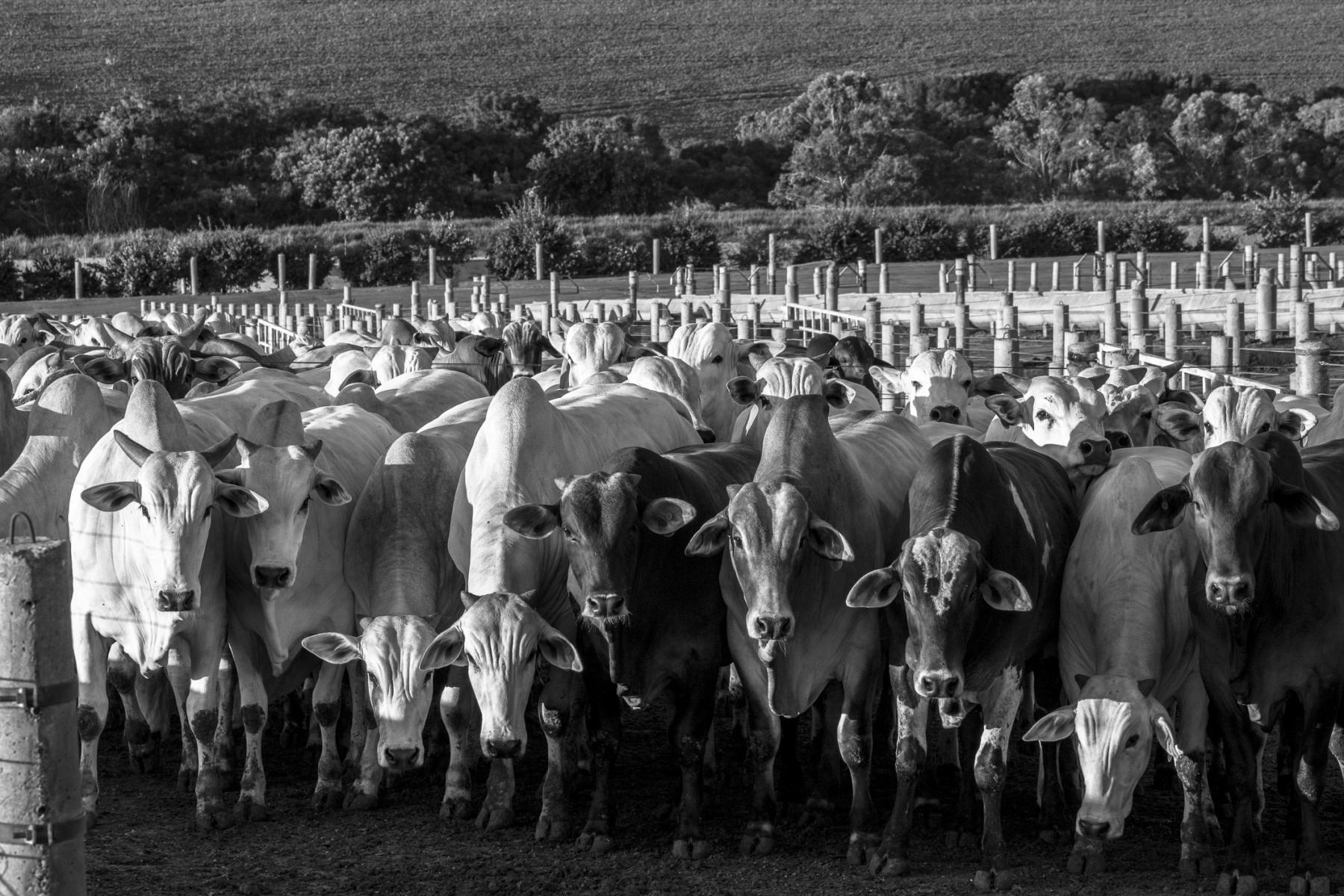
The study examines how the EU’s landmark Regulation on Deforestation-Free Products (EUDR) is likely to work in practice in Brazil’s beef sector, which is one of the world’s largest sources of beef exports and a major driver of tropical deforestation.
Researchers found that despite sophisticated monitoring systems and environmental regulations, major gaps remain between the EU’s requirements and the way Brazil’s cattle industry is governed, potentially limiting the effectiveness of the legislation.
The findings come as the UK considers strengthening its own approach to tackling imported deforestation. Environmental groups and policymakers have called for tougher measures on products linked to forest destruction, with the EU’s legislation widely viewed as a potential model.
The EUDR requires companies importing products including beef, soy, cocoa, coffee, palm oil and timber into the EU to prove they are not linked to deforestation. Businesses that fail to comply could face fines and exclusion from the European market.
However, the researchers argue that regulations alone cannot solve the problem if they do not align with the governance systems in producing countries.
The study analysed how Brazil’s public authorities, private companies and multi-stakeholder initiatives measure up against six key EU requirements, including deforestation-free sourcing, legality, traceability and transparency.
Three major barriers identified
The researchers identified three main obstacles to successful implementation:
– Differences in how forests are defined mean that large areas of Brazil’s Cerrado savanna – an ecosystem under intense environmental pressure – fall outside the EU’s definition of forest, creating what the researchers describe as a major loophole.
– Brazil’s monitoring and traceability systems remain fragmented – although the country has extensive environmental and livestock databases, they are often poorly integrated which makes it difficult to track cattle throughout the supply chain.
– Changing global trade patterns may reduce the EU’s influence – while Europe was once a major destination for Brazilian beef, China now buys around 60% of Brazil’s exports, compared with around 5% going to the EU.
Risks of shifting rather than solving the problem
The researchers warn that regulations introduced by wealthy consumer markets can unintentionally shift compliance costs onto farmers and suppliers in producing countries, particularly smaller producers who may lack the resources to meet complex new requirements.
They argue that import regulations are most likely to succeed when accompanied by investment in traceability systems, technical support and cooperation between importing and producing countries.
Improving global cooperation
The researchers recommend closer cooperation between Brazil and consumer markets such as the EU, including better integration of environmental monitoring systems, support for small producers and greater harmonisation of definitions and standards.
They argue that such measures would help ensure that anti-deforestation policies deliver genuine environmental benefits rather than simply redirecting trade flows or shifting compliance burdens elsewhere.
What the experts say
“The EU’s deforestation regulation represents a major shift in how sustainability is governed globally. But our findings show that regulations alone are not enough,” said lead author John James Loomis, a researcher at The University of Manchester’s Global Development Institute and Fundação Getulio Vargas.
“The University of Manchester is a public research university in Manchester, England. The main campus is south of Manchester City Centre on Oxford Road.”
Please visit the firm link to site