

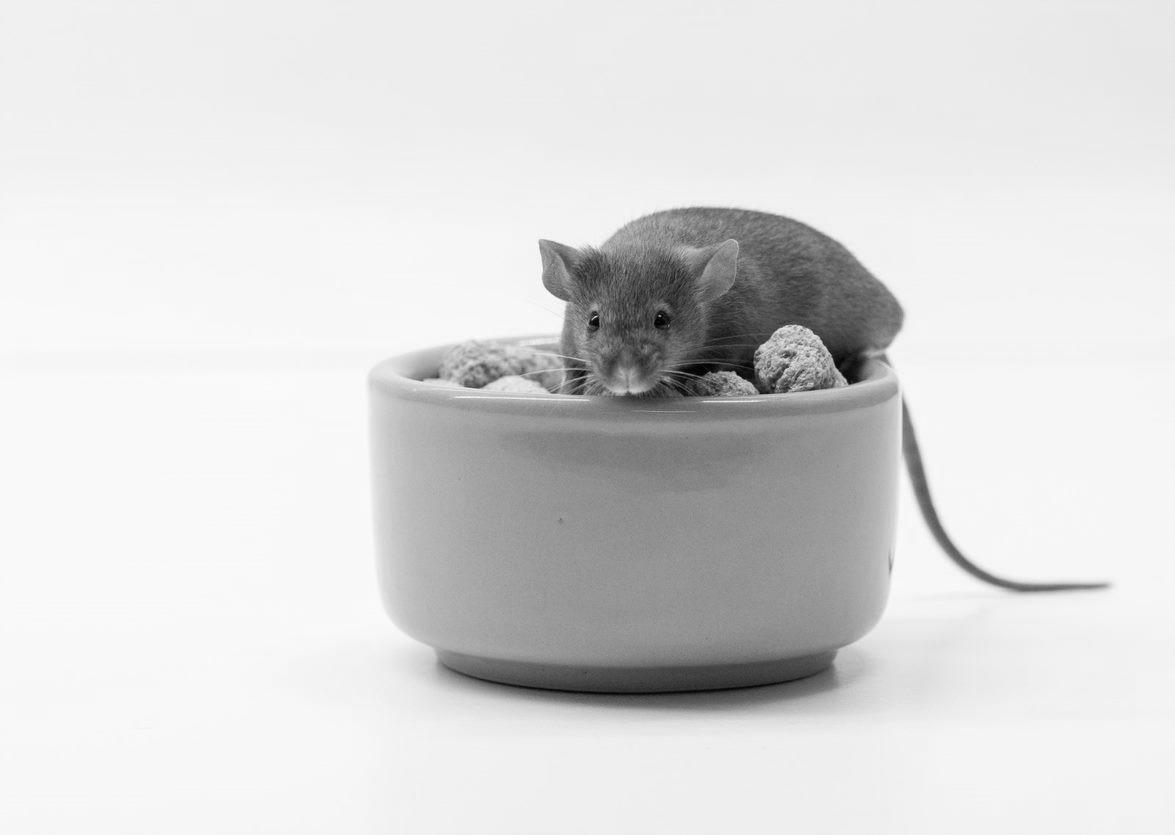
- 99% of procedures carried out in mice, fish, rats, and birds
- 82% of procedures caused pain equivalent to, or less than, an injection
- 69 research institutions and funders have proactively shared their 2025 animal research statistics
Understanding Animal Research (UAR) has published a list of the ten organisations, which includes the University of Manchester, that carried out the highest number of animal procedures – those used in medical, veterinary, and scientific research – in Great Britain in 2025. These statistics are freely available on the organisations’ websites as part of their ongoing commitment to transparency and openness around the use of animals in research.
This list coincides with the publication of the Home Office’s report on the statistics of scientific procedures on living animals in Great Britain in 2025.
The ten listed organisations were responsible for 1,347,667 procedures, 53% (more than half) of the 2,537,507 procedures carried out on animals for scientific research in Great Britain in 2025*. Of these 1,347,667 procedures, more than 99% were carried out on mice, fish, rats, and birds and 82% were classified as causing pain equivalent to, or less than, an injection.
The ten organisations are listed below alongside the total number of procedures they carried out in 2025. Each organisation’s name links to its animal research webpage, which includes more detailed statistics. Case studies explaining how animal research has been used in recent medical research are also provided in the Notes to Editors section. This is the eleventh consecutive year that organisations have come together to publicise their collective statistics and examples of their research.
| Organisation | Number of Procedures (2025) |
| The Francis Crick Institute |
216,508 |
| University of Cambridge |
182,562 |
| University of Oxford |
176,689 |
| UCL |
167,637 |
| Medical Research Council |
150,817 |
| University of Edinburgh |
131,103 |
| King’s College London |
106,452 |
| University of Glasgow |
96,038 |
| University of Manchester |
78,948 |
| Imperial College London |
40,913 |
| TOTAL |
1,347,667 |
Sixty-nine organisations have proactively published their 2025 animal research statistics
69 organisations in the UK that have publicly shared their 2025 animal research statistics. This includes organisations that carry out or fund animal research.
All organisations are committed to the ethical framework called the ‘3Rs’ of replacement, reduction and refinement. This means avoiding or replacing the use of animals where possible, minimising the number of animals used per experiment and optimising the experience of the animals to improve animal welfare. However, as institutions expand and conduct more research, the total number of animals used can rise even if fewer animals are used per study.
All organisations listed are signatories to the Concordat on Openness on Animal Research in the UK, which commits them to being more open about the use of animals in scientific, medical and veterinary research in the UK. More than 130 organisations have signed the Concordat, including UK universities, medical research charities, research funders, learned societies and commercial research organisations.
Hannah Hobson, Head of Communications and Engagement at Understanding Animal Research, said: “Animal research remains a small but vital part of the quest for new medicines, vaccines and treatments for humans and animals. Alternative methods are increasingly being phased in but, until we have sufficient reliable alternatives available, it is important that organisations that use animals in research maintain the public’s trust in them. By providing this level of information about the numbers of animals used, and the experience of those animals, as well as details of the medical breakthroughs that derive from this research, these Concordat on Openness signatories are helping the public to make up their own minds about how they feel about the use of animals in scientific research in Great Britain.”
Dr Maria Kamper, Strategic Director of the Biological Services Facility at The University of Manchester, said: “Scientific research involving animals remains a cornerstone of our ability to understand complex diseases and develop life-saving medical breakthroughs. At The University of Manchester, we recognize that the privilege of conducting this research carries a profound responsibility – not only to the animals in our care but to the public we serve. Our commitment to the Concordat on Openness is reflected in our award-winning digital platforms, where we share the reality of our work through virtual tours, detailed case studies, and transparent data. However, transparency is only possible because of our foundational ‘culture of care’. By prioritizing exceptional animal husbandry, staff wellbeing, and ethical accountability, we ensure that our scientific excellence is always matched by our integrity. As we share our latest statistics, we remain dedicated to a sustainable research environment where open communication and world-class welfare standards go hand-in-hand to benefit society as a whole.”
“The University of Manchester is a public research university in Manchester, England. The main campus is south of Manchester City Centre on Oxford Road.”
Please visit the firm link to site